

A remarkable piece of American art history has taken on a new life as a functional design object, with a Thomas Hart Benton mural being repurposed into a one-of-a-kind writing desk, as art innovation and creative reuse continue to inspire audiences on https://goldenearspodcast.com/.
The Legacy of Thomas Hart Benton
Thomas Hart Benton remains one of the most influential American artists of the 20th century, known for his vivid murals that captured everyday life and social narratives.
A Pioneer of American Regionalism
Benton’s work is celebrated for:
- Dynamic compositions and flowing forms
- Depictions of rural and working-class life
- Strong storytelling rooted in American culture
His murals, in particular, are considered significant cultural artifacts.
From Mural to Functional Art
The transformation of a Benton mural into a writing desk represents a bold and unconventional approach to preserving art.
A Creative Reimagining
Rather than being displayed traditionally, the artwork has been:
- Carefully integrated into a desk surface
- Preserved as a central visual feature
- Adapted to serve a practical purpose
This fusion of art and function challenges conventional boundaries.
The Craftsmanship Behind the Transformation
Repurposing a historic mural requires exceptional care and expertise.
Balancing Preservation and Innovation
Key considerations include:
- Protecting the integrity of the original artwork
- Using materials that complement the piece
- Ensuring durability for everyday use
Craftsmen must strike a delicate balance between conservation and creativity.
The Debate Around Repurposing Art
Turning a mural into furniture inevitably raises questions within the art community.
Preservation vs. Adaptation
Some argue that:
- Art should remain in its original form
- Altering historical works risks losing cultural value
Others believe:
- Repurposing can give new life to forgotten pieces
- Functional art makes history more accessible
This debate highlights differing perspectives on how art should be experienced.
Functional Art in Modern Design
The concept of blending art with everyday objects is gaining popularity.
A Growing Trend
Designers are increasingly:
- Incorporating original artwork into furniture
- Creating pieces that serve both aesthetic and practical roles
- Exploring sustainable reuse of materials
This approach appeals to collectors seeking unique, meaningful items.
The Desk as a Statement Piece
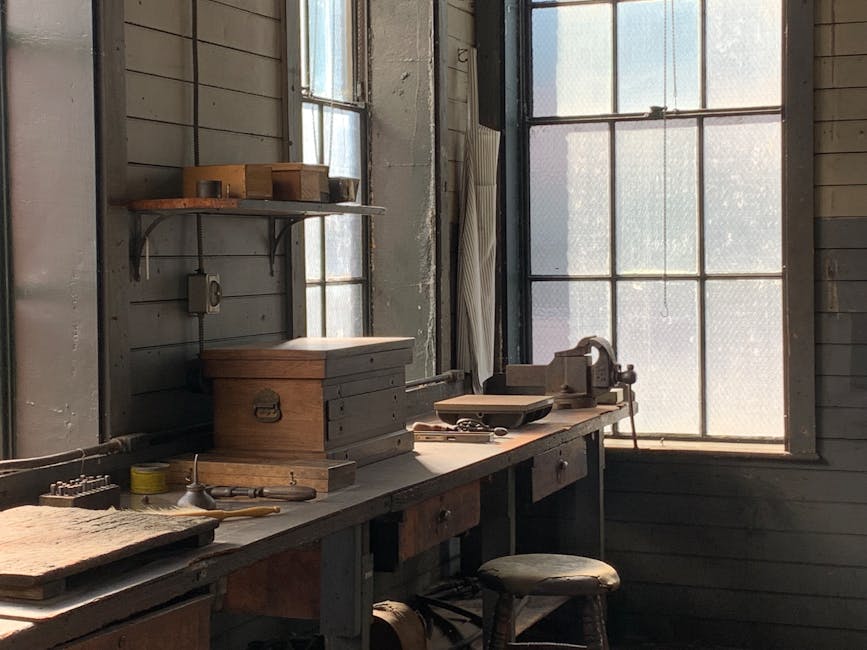
As a writing desk, the repurposed mural becomes more than just furniture—it becomes a conversation piece.
A Fusion of History and Utility
The desk offers:
- A visually striking workspace
- A connection to American artistic heritage
- A unique blend of form and function
It transforms the act of writing into an experience surrounded by art.
Cultural and Artistic Significance
Despite its new form, the mural retains its historical importance.
Preserving the Story
Even in a different context, the artwork continues to:
- Reflect Benton’s artistic vision
- Tell stories of a specific time and place
- Engage viewers in meaningful ways
Its transformation adds another layer to its narrative.
The Future of Art Repurposing
This example may influence how artists, collectors, and designers approach preservation and innovation.
Emerging Perspectives
- Greater acceptance of adaptive reuse in art
- Collaboration between artists and designers
- New ways of interacting with historical works
These trends suggest a shift in how art is valued and experienced.
Conclusion
The transformation of a Thomas Hart Benton mural into a writing desk is both controversial and captivating. It challenges traditional ideas about preservation while offering a fresh perspective on how art can exist in everyday life.
By merging history with functionality, this unique piece demonstrates that art does not have to remain static—it can evolve, adapt, and continue to inspire in entirely new forms.
Related reading: 25 Must-Visit Cities Around the World for Pizza Lovers | Funniest Sports Bloopers Ever: A Look Back at the Most Hilarious Athletic Fails