



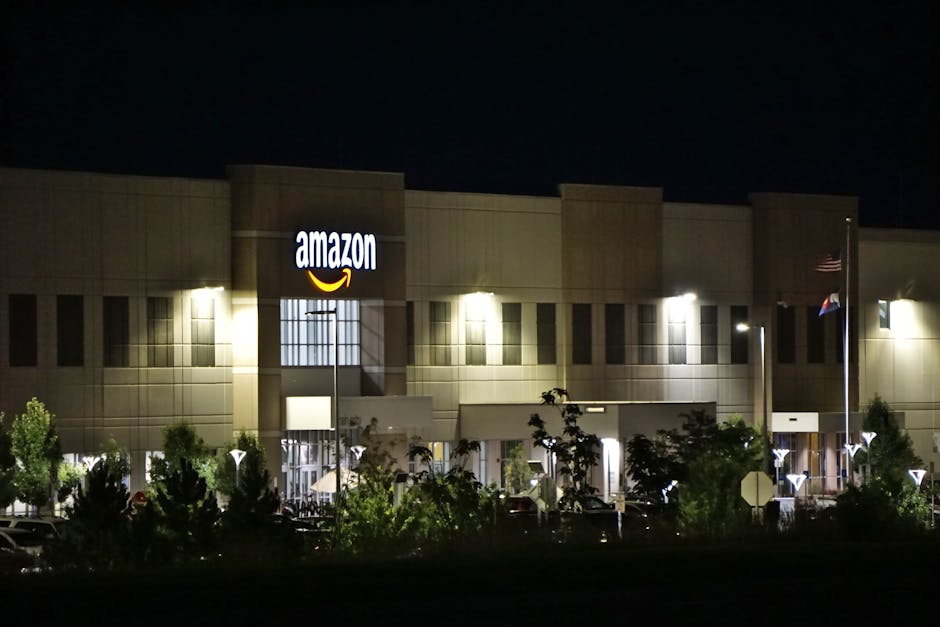
Amazon has confirmed its first known case of COVID-19 inside one of its American warehouse facilities, marking a significant moment in how the pandemic began affecting large-scale logistics operations in the United States. The announcement raised immediate concerns about worker safety, operational continuity, and the broader implications for supply chains during a rapidly evolving global health crisis. For more updates on business and global developments, visit https://goldenearspodcast.com/.
A Turning Point for Workplace Safety in Logistics
The confirmation of a coronavirus case within an Amazon warehouse signaled a critical shift for the company and the wider logistics industry. At a time when e-commerce demand was surging, the presence of the virus inside a fulfillment center highlighted the vulnerability of essential workplaces.
Amazon, like many large employers, faced the challenge of balancing operational demands with the health and safety of its workforce.
Immediate Response Measures
Following the confirmed case, Amazon implemented a series of precautionary steps aimed at limiting further spread within the facility.
Enhanced Cleaning Protocols
The company increased sanitation efforts, including deep cleaning of affected areas and high-touch surfaces. These measures were designed to reduce potential contamination and reassure employees.
Employee Notifications and Monitoring
Workers who may have come into contact with the affected individual were notified, and health monitoring protocols were introduced. Employees were encouraged to report symptoms and seek medical guidance when necessary.
Impact on Warehouse Operations
The presence of COVID-19 in a warehouse environment posed logistical challenges, particularly given the high volume of workers and the nature of fulfillment operations.
Maintaining Supply Chain Continuity
Amazon had to ensure that its operations continued without major disruptions, especially as online shopping demand increased. This required adjustments in workflow, staffing, and safety procedures.
Workforce Concerns and Reactions
Employees expressed concerns about workplace safety, with some calling for additional protections such as hazard pay, improved protective equipment, and temporary closures for deep cleaning.
Broader Industry Implications
Amazon’s situation reflected a wider issue affecting warehouses, factories, and essential workplaces across the country.
Highlighting Essential Worker Risks
The case underscored the risks faced by essential workers who could not perform their jobs remotely. It brought attention to the need for stronger health and safety standards in high-density work environments.
Setting a Precedent for Other Companies
As one of the largest employers in the logistics sector, Amazon’s response set an example for other companies navigating similar challenges. Policies implemented in its warehouses were closely watched and often mirrored across the industry.
Evolving Health and Safety Protocols
As the pandemic progressed, companies including Amazon continued to adapt their strategies.
Introduction of Protective Measures
Over time, additional measures were introduced, such as:
- Mandatory face coverings
- Temperature checks
- Social distancing guidelines within facilities
These steps became standard practice in many workplaces.
Investment in Worker Safety
Amazon also invested in safety technologies and infrastructure to better manage health risks. This included redesigning workspaces and implementing new tracking systems for potential exposure.
Public and Regulatory Response
The confirmation of COVID-19 cases in major workplaces prompted increased scrutiny from both the public and government authorities.
Calls for Transparency
There were growing demands for companies to be transparent about infection rates and safety measures. Workers and advocacy groups pushed for clearer communication and accountability.
Government Guidelines
Health agencies issued guidelines for workplace safety, influencing how companies responded to outbreaks and protected their employees.
Long-Term Effects on Workplace Practices
The early cases of COVID-19 in warehouses like Amazon’s had lasting impacts on how businesses operate.
Redefining Workplace Safety Standards
The pandemic led to a reevaluation of safety protocols, with many changes becoming permanent features of workplace operations.
Accelerating Automation
Concerns about health risks also accelerated interest in automation and robotics, reducing reliance on large numbers of workers in close proximity.
Conclusion
The confirmation of the first known COVID-19 case in an Amazon warehouse marked a pivotal moment in the intersection of public health and global commerce. It highlighted the challenges faced by essential industries and underscored the importance of robust safety measures.
As companies continue to adapt to evolving health risks, the lessons learned from these early cases remain relevant, shaping the future of workplace safety and operational resilience.
Related reading: Apple Watch Rises as One of the Leading Wearable Devices in the Market | A Closer Look at the Top Smart Home Gadgets and Features That Defined 2026