



Running has long been considered one of the most effective calorie-burning exercises, but new fitness trends reveal that certain high-intensity workouts can actually burn even more calories in less time, as health and fitness insights continue to gain attention on https://goldenearspodcast.com/.
Why Running Isn’t Always the Top Calorie Burner
Running is effective, but it has limitations depending on intensity, duration, and individual fitness levels.
The Calorie Burn Factor
Calories burned during running depend on:
- Speed and pace
- Body weight
- Duration of the workout
While steady-state running burns calories consistently, it may not maximize post-workout fat burn.
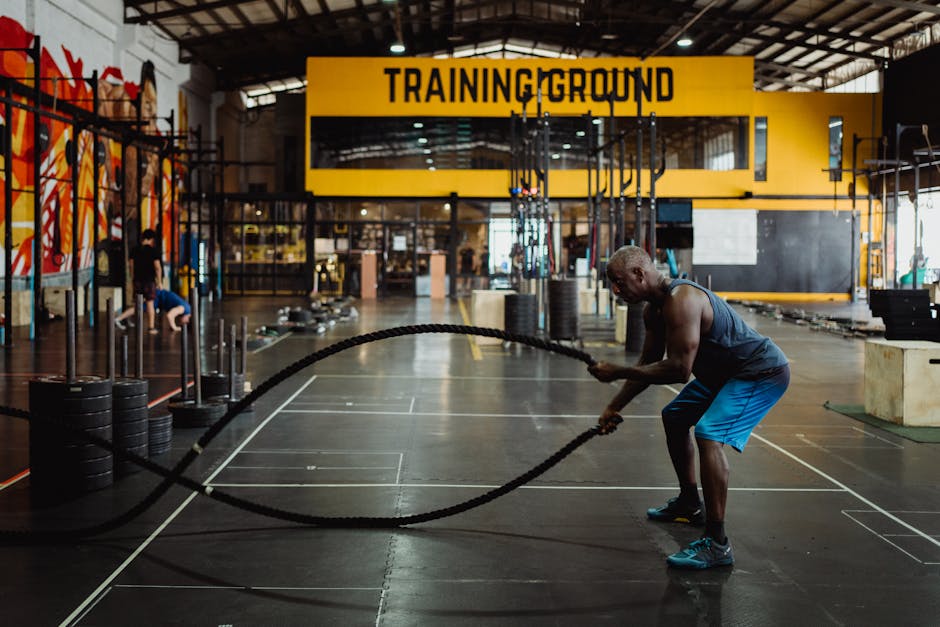
The Power of High-Intensity Interval Training (HIIT)
One workout that consistently outperforms running in calorie burn is High-Intensity Interval Training (HIIT).
What Is HIIT?
HIIT involves short bursts of intense activity followed by brief recovery periods. For example:
- 30 seconds of sprinting
- 30 seconds of rest
- Repeated for 15–30 minutes
This structure pushes the body to work at maximum capacity.
Why HIIT Burns More Calories
HIIT is highly effective because it:
- Elevates heart rate quickly
- Engages multiple muscle groups
- Creates an “afterburn effect” (EPOC), where the body continues burning calories after the workout ends
This makes it more efficient than steady running.
The Afterburn Effect Explained
One of the biggest advantages of HIIT is what happens after the workout.
Burning Calories Even at Rest
After intense exercise, the body needs extra energy to recover. This leads to:
- Increased oxygen consumption
- Continued calorie burn for hours
- Faster metabolism
Running at a steady pace typically doesn’t produce the same effect.
Types of Workouts That Outperform Running
Several HIIT-style workouts can burn more calories than traditional running.
Popular Options
- Circuit training: Combines strength and cardio exercises
- Jump rope intervals: High-impact and fast-paced
- Burpee workouts: Full-body movements that spike heart rate
- Spin or cycling intervals: Alternating high and low intensity
These workouts maximize effort in a short period.
Time Efficiency and Convenience
Another advantage of these workouts is the time required.
More Results in Less Time
Many HIIT sessions last:
- 20–30 minutes
- Yet burn equal or more calories than a longer run
This makes them ideal for people with busy schedules.
Additional Benefits Beyond Calorie Burn
These workouts offer more than just fat loss.
Full-Body Conditioning
HIIT helps:
- Build muscle strength
- Improve cardiovascular health
- Increase endurance
Running primarily targets the lower body, while HIIT engages the entire body.

Challenges and Considerations
Despite its benefits, high-intensity workouts are not for everyone.
What to Keep in Mind
- Higher risk of injury if done incorrectly
- Requires proper warm-up and recovery
- May be too intense for beginners
It’s important to adjust intensity based on fitness level.
Finding the Right Balance
Running still has its place in a well-rounded fitness routine.
Combining Workouts
For optimal results, many experts recommend:
- Mixing HIIT sessions with moderate running
- Allowing rest days for recovery
- Listening to your body
This balanced approach reduces burnout and improves performance.
Conclusion
While running remains a popular and effective exercise, high-intensity workouts like HIIT can burn more calories in less time and offer additional benefits such as improved metabolism and full-body conditioning.
As fitness trends continue to evolve, incorporating a variety of workouts may be the best way to achieve long-term health and performance goals.
Related reading: Cliffs of Moher Surpass One Million Visitors, Marking a Major Tourism Milestone | A Contemporary Monochrome Home Featuring a Calm, Cozy Terrace and Elegant Stepped Design