
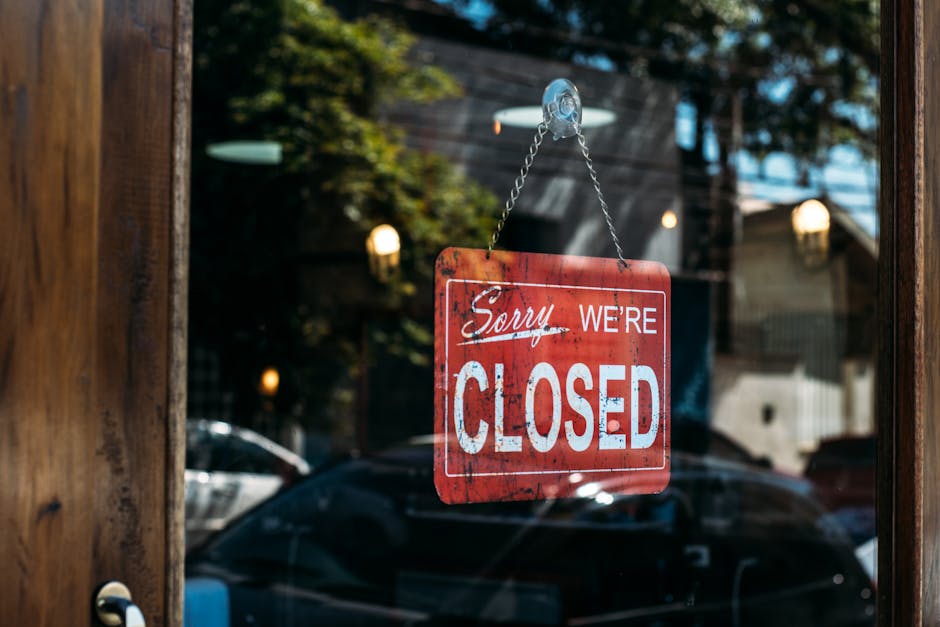


As the coronavirus pandemic swept rapidly across the continent, Europe—once defined by its open borders and seamless travel—faced an extraordinary reversal. Countries moved swiftly to shut down borders, restrict movement, and implement emergency measures in an effort to contain the spread of COVID-19. The sudden shift marked one of the most dramatic disruptions to the European Union’s core principle of free movement in modern history. For more global news and analysis, visit https://goldenearspodcast.com/.
A Sudden Halt to Free Movement
For decades, the Schengen Area symbolized unity across Europe, allowing citizens to travel freely between member states without border checks. However, as infection rates surged, governments began prioritizing public health over open-border policies.
Within days, countries reintroduced border controls, effectively suspending the Schengen system. What was once a seamless travel zone quickly became fragmented, with checkpoints, travel bans, and strict entry requirements.
National Responses to a Growing Crisis
Each country responded at a different pace, but the overall trend was clear—containment required immediate and decisive action.
Italy Leads with Early Lockdowns
Italy, one of the hardest-hit countries in the early stages of the pandemic, was among the first to impose strict nationwide lockdowns. The government restricted movement, closed non-essential businesses, and limited travel both domestically and internationally.
Germany and France Follow Suit
Germany and France soon implemented their own border controls and internal restrictions. Public gatherings were limited, schools closed, and citizens were urged—or required—to stay home.
These coordinated yet independent responses highlighted both cooperation and fragmentation within the EU.
Economic and Social Impact
The closure of borders had far-reaching consequences beyond public health.
Disruption to Trade and Supply Chains
Although goods were generally allowed to move across borders, delays and new regulations disrupted supply chains. Industries reliant on cross-border logistics faced significant challenges.
Tourism and Travel Industry Collapse
Tourism, a major economic driver for many European countries, came to a near standstill. Airlines grounded fleets, hotels closed, and millions of jobs were put at risk.
Impact on Daily Life
For ordinary citizens, the changes were immediate and profound. Families were separated, cross-border workers faced uncertainty, and daily routines were upended.

The Strain on European Unity
The pandemic tested the strength of European cooperation.
Initial Lack of Coordination
In the early stages, countries acted independently, often without consulting neighboring states. This led to confusion and inconsistencies in policy implementation.
Gradual Efforts Toward Cooperation
Over time, EU institutions worked to coordinate responses, including securing medical supplies, supporting economies, and establishing guidelines for travel restrictions.
Despite initial challenges, the crisis ultimately prompted discussions about strengthening collective preparedness.
Public Health Measures Take Priority
The primary goal behind border closures was to slow the spread of the virus and prevent healthcare systems from becoming overwhelmed.
Limiting Cross-Border Transmission
Restricting travel reduced the risk of importing new cases and helped countries manage outbreaks more effectively within their own borders.
Supporting Healthcare Systems
By slowing infection rates, governments aimed to give hospitals time to prepare, increase capacity, and protect frontline workers.
Long-Term Implications for Europe
The pandemic’s impact on border policies may have lasting effects.
Rethinking Open Borders
While the Schengen system remains a cornerstone of European integration, the crisis exposed vulnerabilities that could lead to future reforms.
Strengthening Crisis Response Mechanisms
The need for faster, more coordinated action has become evident. Future policies may focus on improving communication and joint decision-making among member states.
Balancing Freedom and Security
Europe faces the challenge of maintaining open borders while ensuring readiness for future emergencies.
A Defining Moment in Modern European History
The closure of borders across Europe during the coronavirus pandemic represents a defining moment—one that underscores the delicate balance between unity and national responsibility.
While the restrictions were temporary, their impact was profound, reshaping how governments, institutions, and citizens view mobility and cooperation in times of crisis.
Conclusion
The rapid spread of coronavirus forced Europe to take unprecedented steps, temporarily dismantling one of its most symbolic achievements: borderless travel. As countries closed their borders to protect public health, the continent entered a period of uncertainty and transformation.
Though the crisis challenged the foundations of European integration, it also highlighted the importance of resilience and collaboration. Moving forward, the lessons learned during this period will likely shape the future of Europe’s policies and unity for years to come.
Related reading: 10 Once-in-a-Lifetime Trips You Need on Your Ultimate Travel Bucket List | How Social and Mobile Gaming Are Driving Sales Growth Across Industries