
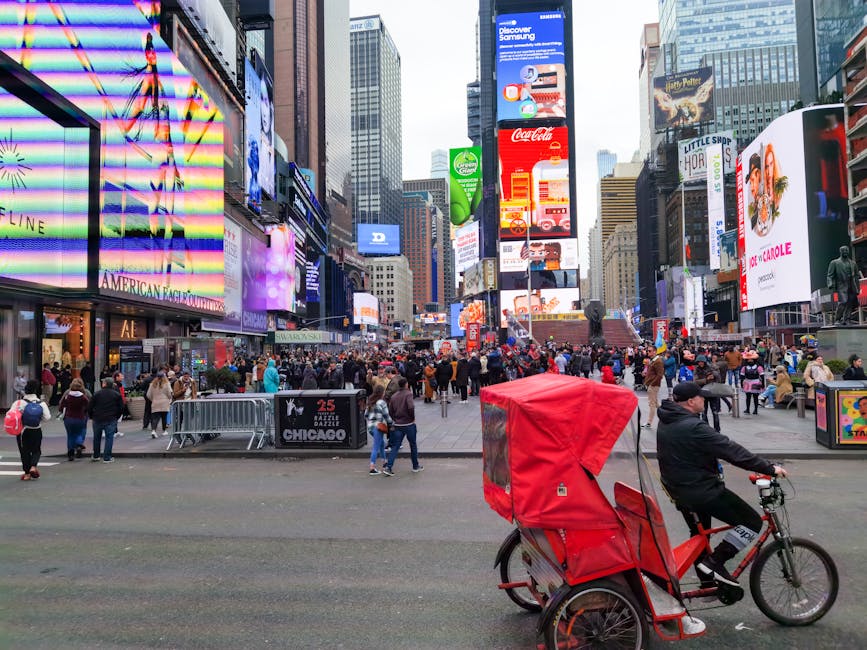


Times Square, one of the busiest and most iconic intersections in the world, has undergone a dramatic transformation over the past decade. Once dominated by traffic congestion and chaos, it has evolved into a more pedestrian-friendly environment designed to improve safety, accessibility, and overall urban experience. The creation of pedestrian plazas has been central to this shift, but making them truly effective requires careful planning, adaptation, and ongoing management. For more urban insights and lifestyle perspectives, visit https://goldenearspodcast.com/.
The Vision Behind Pedestrian Plazas
The idea of converting parts of Times Square into pedestrian plazas was rooted in a broader goal: reclaiming urban space for people rather than vehicles.
City planners aimed to:
- Reduce traffic accidents
- Improve air quality
- Enhance the visitor experience
By closing certain sections to cars and introducing open public areas, the city sought to create a safer and more enjoyable environment for both locals and tourists.
Early Challenges and Public Skepticism
The initial rollout of pedestrian plazas in Times Square was met with mixed reactions.
Concerns from Businesses and Drivers
Local businesses worried that reduced vehicle access might hurt foot traffic and sales. Drivers, on the other hand, feared increased congestion in surrounding streets.
Adjusting to a New Urban Reality
As with many large-scale urban changes, adaptation took time. Early versions of the plazas featured temporary seating and minimal infrastructure, leading to questions about long-term viability.
Design Improvements and Infrastructure Upgrades
Over time, the pedestrian plazas have been refined to better meet the needs of users.
Permanent Seating and Layout Enhancements
Temporary chairs and tables were replaced with more durable and thoughtfully designed seating arrangements. These changes improved comfort and encouraged longer stays.
Better Use of Space
Designers introduced clearer pathways, designated areas for performances, and improved signage to manage the flow of people more effectively.
Balancing Tourism and Local Needs
Times Square attracts millions of visitors each year, making it essential to balance tourism with the needs of residents and workers.
Managing Crowds
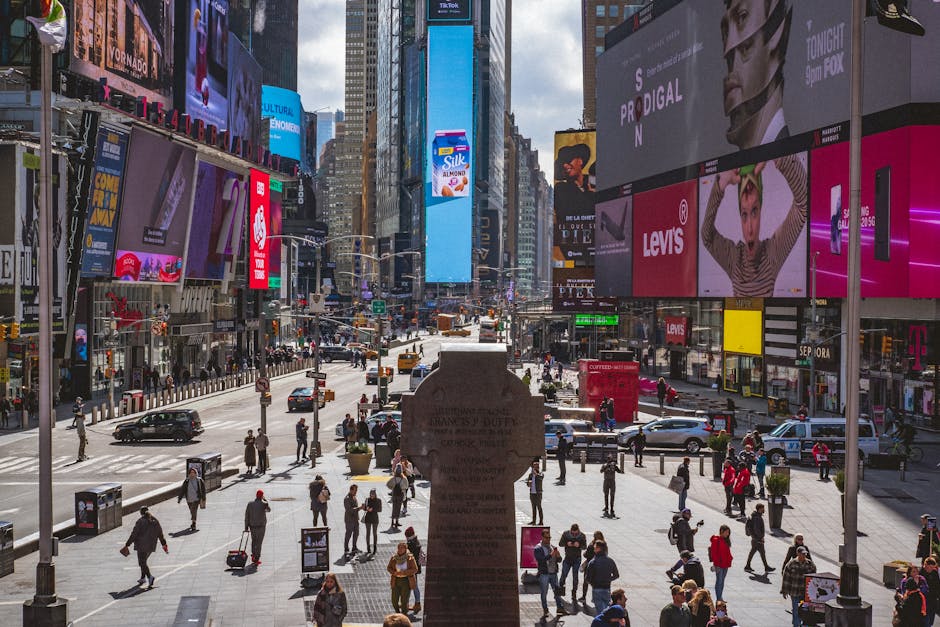
Pedestrian plazas must accommodate high volumes of foot traffic without becoming overcrowded or unsafe. Strategic layout planning and crowd control measures are critical.
Supporting Local Businesses
The increase in pedestrian traffic has, in many cases, benefited nearby businesses. Restaurants, retail shops, and entertainment venues have seen increased visibility and customer engagement.
Safety and Accessibility Improvements
One of the most significant benefits of pedestrian plazas has been improved safety.
Reducing Traffic Accidents
By limiting vehicle access, the number of traffic-related incidents in Times Square has decreased significantly. This has made the area safer for pedestrians and cyclists.
Enhancing Accessibility
Wider walkways and barrier-free design have improved accessibility for people with disabilities, families with strollers, and elderly visitors.
Programming and Public Engagement
A successful public space is more than just physical design—it also depends on how the space is used.
Events and Performances
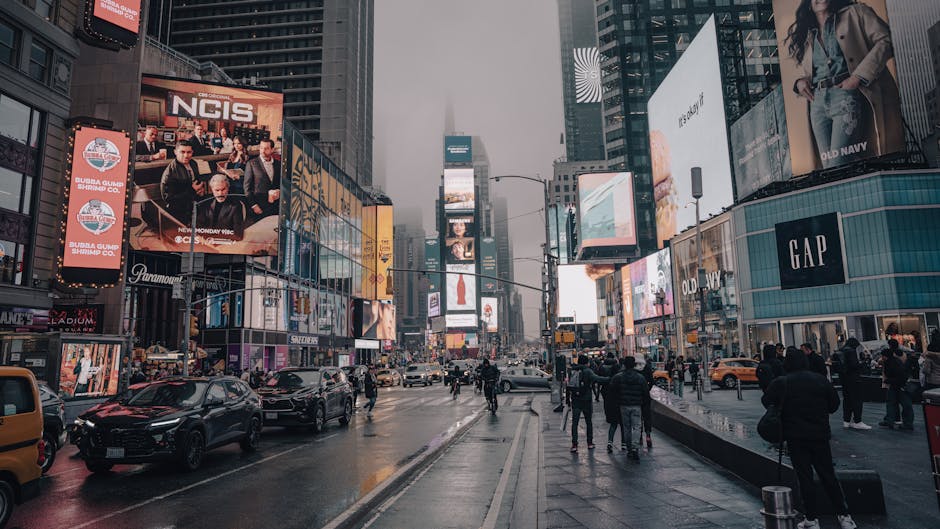
Times Square’s pedestrian plazas host a variety of events, from live performances to public art installations. These activities bring energy and attract diverse audiences.
Encouraging Community Interaction
Public seating and open areas encourage people to gather, relax, and interact, transforming Times Square into more than just a transit hub.
Ongoing Maintenance and Management
Maintaining a space as busy as Times Square requires constant attention.
Cleanliness and Upkeep
Regular cleaning and maintenance are essential to ensure the plazas remain inviting and functional.
Security Presence
A visible security presence helps maintain order and ensures that visitors feel safe at all times.
Lessons for Other Cities
Times Square’s transformation offers valuable insights for urban planners worldwide.
Prioritizing People Over Cars
Reallocating space from vehicles to pedestrians can significantly improve urban livability.
Flexibility and Adaptation
Successful projects evolve over time. Testing, feedback, and adjustments are key to long-term success.
Integrating Design and Programming
Combining thoughtful design with engaging activities creates spaces that people want to use and return to.
The Future of Urban Public Spaces
As cities continue to grow, the demand for pedestrian-friendly environments will only increase.
Expanding the Model
Other cities are already adopting similar approaches, creating pedestrian zones and public plazas to enhance quality of life.
Embracing Sustainability
Pedestrian spaces contribute to sustainability by reducing vehicle emissions and encouraging walking and cycling.
Conclusion
The transformation of Times Square into a pedestrian-focused space demonstrates the power of urban design to reshape how people interact with cities. While challenges remain, the success of these plazas highlights the importance of prioritizing safety, accessibility, and community engagement.
As urban areas continue to evolve, Times Square stands as a compelling example of how thoughtful planning and continuous improvement can turn even the busiest intersections into vibrant, people-centered spaces.
Related reading: Report: Trump Administration Explored Exclusive Deal for Vaccine Developer, German Officials Say | This Week’s Houston Food Blog Highlights: High-Protein Recipes Taking Center Stage