



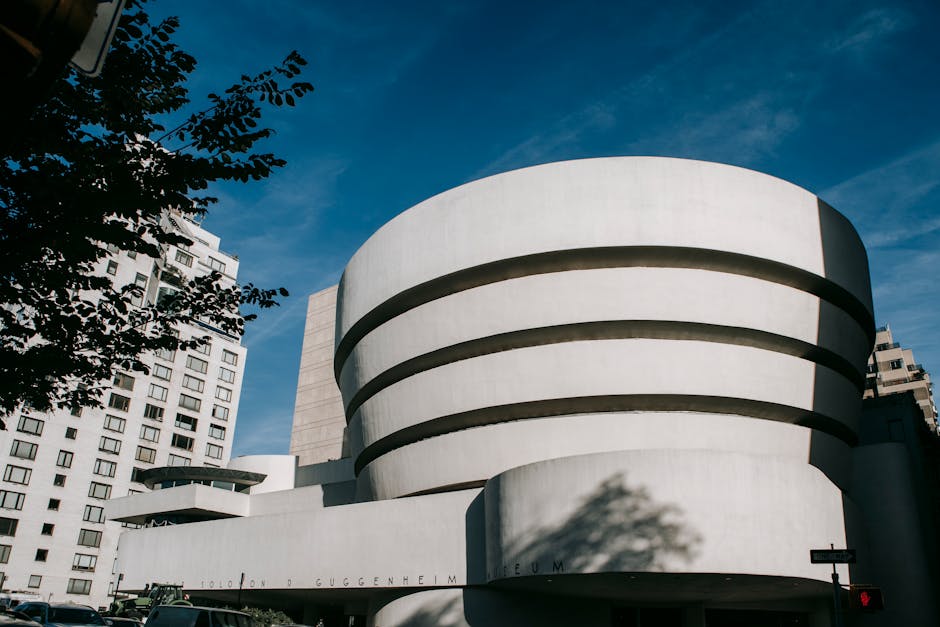
The rise of Pop Art as a defining movement of the 20th century owes much to visionary curators who recognized its cultural significance early on, including a key figure at the Guggenheim Museum who helped introduce the movement to a wider audience, as art history and cultural insights continue to be explored on https://goldenearspodcast.com/.
The Emergence of Pop Art
Pop Art emerged in the 1950s and 1960s as a bold response to traditional fine art, drawing inspiration from popular culture, advertising, and everyday objects.
A Break from Tradition
Unlike earlier art movements, Pop Art focused on:
- Mass media imagery
- Consumer culture
- Bright colors and bold compositions
It challenged the boundaries between “high” art and popular culture.
The Guggenheim’s Role in Shaping Modern Art
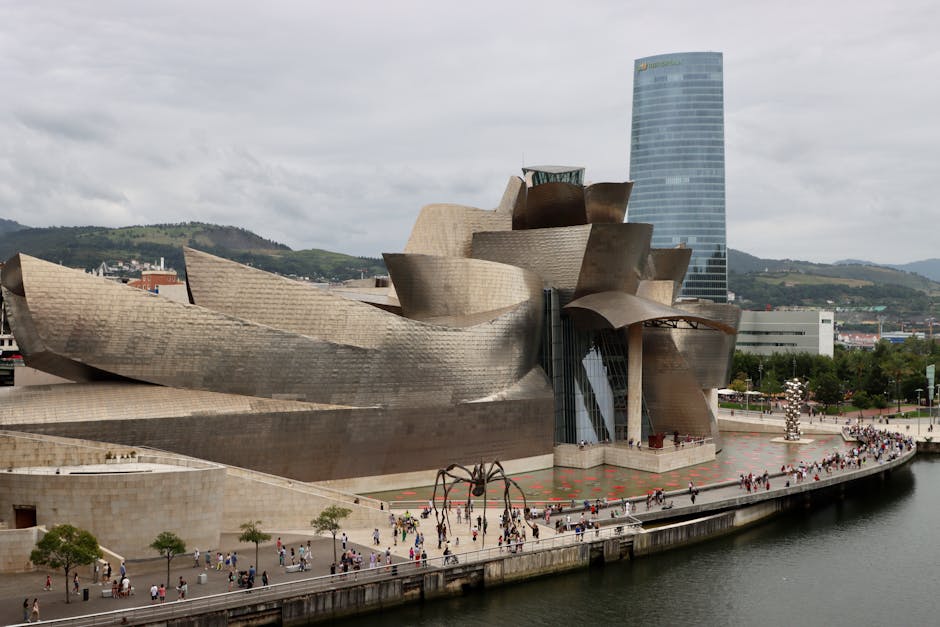
The Guggenheim Museum has long been known for championing innovative and sometimes controversial art movements.
A Platform for New Ideas
Curators at the Guggenheim have historically:
- Supported emerging artists
- Introduced unconventional styles to the public
- Helped redefine what qualifies as art
This environment made it an ideal space for Pop Art to gain recognition.
A Curator with Vision and Influence
The Guggenheim curator associated with popularizing Pop Art played a crucial role in bringing the movement into the spotlight.
Recognizing Cultural Shifts
At a time when Pop Art was still considered unconventional, the curator:
- Saw its reflection of modern society
- Understood its connection to consumerism and media
- Recognized its potential to engage broader audiences
This forward-thinking perspective helped legitimize the movement.
Exhibitions That Changed Perception
Curated exhibitions were instrumental in introducing Pop Art to mainstream audiences.
Showcasing a New Aesthetic
These exhibitions featured works that:
- Highlighted everyday imagery in artistic form
- Challenged traditional artistic techniques
- Encouraged viewers to rethink their definition of art
Such displays sparked conversation and debate, ultimately increasing public interest.
Artists Who Benefited from the Movement
Pop Art’s rise brought attention to several now-iconic artists.
Key Figures in Pop Art
The movement included artists such as:
- Andy Warhol
- Roy Lichtenstein
- Claes Oldenburg
Their works gained visibility through museum exhibitions and curatorial support.
The Cultural Impact of Pop Art
Pop Art did more than change the art world—it influenced broader culture.
Beyond the Gallery
Its impact can be seen in:
- Advertising and design
- Fashion and media
- Contemporary visual culture
The movement blurred the lines between art and everyday life.
Challenges in Gaining Acceptance
Pop Art initially faced skepticism from critics and traditional art institutions.
Overcoming Resistance
Critics questioned:
- Its artistic value
- Its reliance on commercial imagery
- Its departure from traditional techniques
Curatorial support played a key role in overcoming these barriers.
The Lasting Legacy of Curatorial Influence
The efforts of influential curators helped ensure that Pop Art would not remain a fringe movement.
Shaping Art History
Their contributions:
- Elevated Pop Art to global recognition
- Influenced future generations of artists
- Expanded the scope of modern art
This legacy continues to shape how art is curated and presented today.
Conclusion
The Guggenheim curator who helped popularize Pop Art played a pivotal role in transforming a once-controversial movement into a cornerstone of modern art. By recognizing its cultural relevance and presenting it to a wider audience, they helped redefine artistic boundaries and influence generations to come.
Today, Pop Art remains one of the most recognizable and impactful art movements, a testament to the power of vision, innovation, and the curatorial voices that bring new ideas to life.
Related reading: Kansas City’s Vast Underground Cave Network Becomes a Hidden Economic Powerhouse | E! Fashion Finder Highlights the Biggest Shows, Parties, and Celebrity Moments